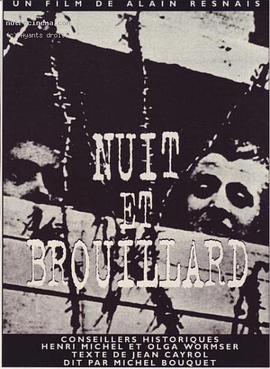
1956年导演阿伦?雷乃用摄影机带领观众重回奥斯维辛。当年纳粹集中营的旧址上已是一片祥和美丽的野外风光。然而时间倒回到1933年纳粹党掌权之时,整个城市被阴霾笼罩——大片修建起来的集中营房排列整齐,大量犹太人被抓进集中营开始接受非人的折磨和侮辱。这里对人种进行分级,在皮肤上纹上编号,在衣服上缝制等级的徽章。疾病,饥饿,劳役使集中营尸体遍地。1942年希莱姆到访,奉行“破坏”政策,集中营难民进入更加悲惨的境遇,被药品公司买下用作实验。1945年,集中营人数倍增后已不堪负荷,成堆的尸体被推土机推入大坑掩埋......
Samedi lives in a village in Wallonia. He works from time to time as a gardener and has a close relationship with his mother. Everyday life in the village, which has seen better times, Samedi's quiet and friendly nature and the still largely intact rural setting stand in stark contrast to the heroin addiction Samedi has suffered from for over 20 years, which only his family knows about. His relationship with his mother changes when he makes another attempt to get clean. Paloma Sermon-Daï’s documentary paints a restrained, highly precise picture of a relationship marked by affection and love but which is also difficult to define in relation to Samedi's problem. As the camera observes the long, concentrated conversations he has with both his mother and his therapist, a picture of addiction comes into view which is part of a family structure. This becomes embedded in something larger in turn via the individual images of the village. Petit Samedi creates an image of dependence in which individual, family and social coexistence are intertwined, without falling into the trap of saying what might be able to solve the problem.